

Designing Tomorrow: 2026’s Defining Material Trends
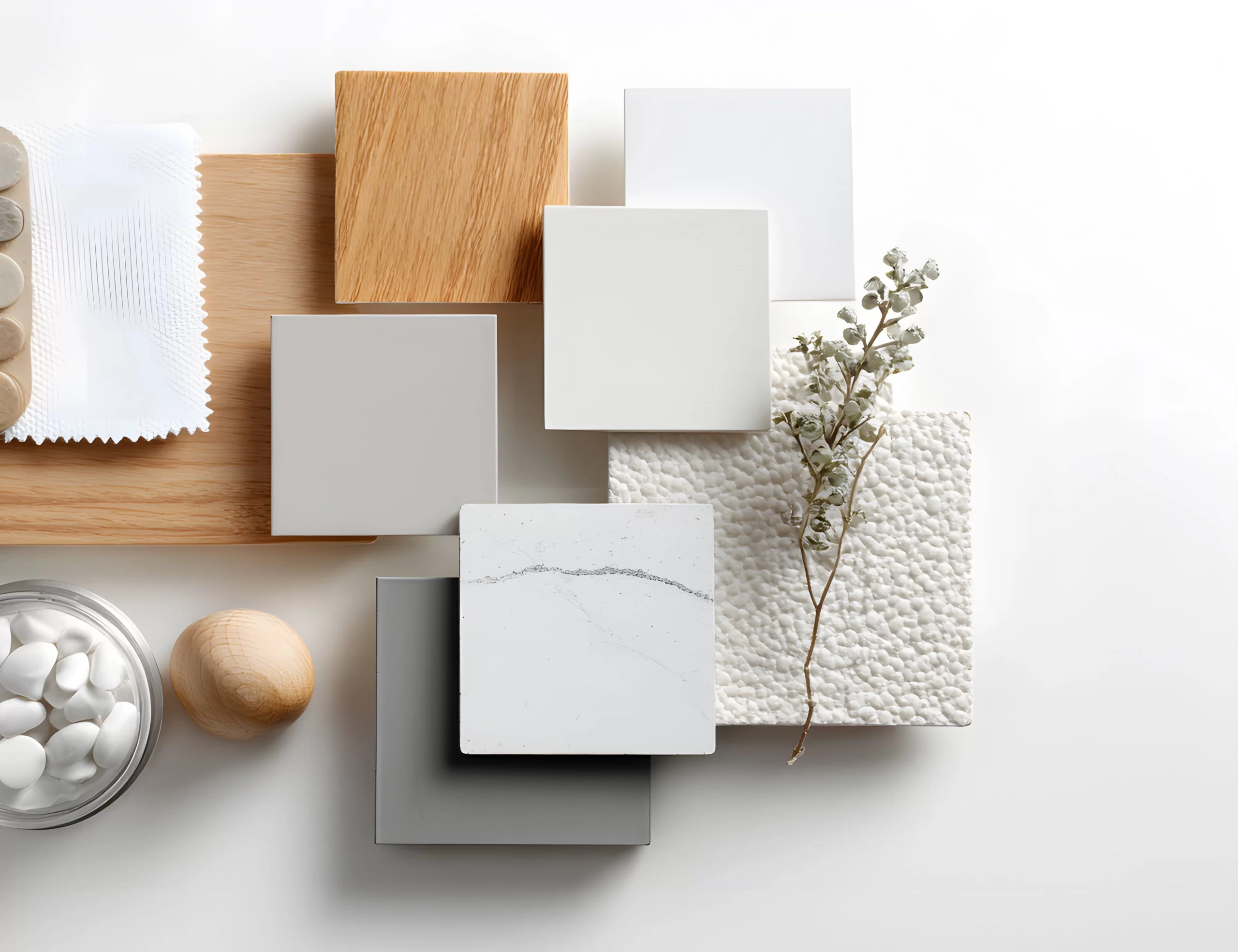
Drawing on forecasts and insights from Francyn Atelier’s award-winning Project Manager, Eric Ong, this look into 2026 uncovers how emerging smart materials, energy-generating surfaces, and sustainable composites will transform the design landscape, shaping interiors that are more adaptive, efficient and thoughtfully crafted for the future.
Renewable Energy Materials: Structure that Power Themselves
Instead of adding solar panels as an afterthought, future materials will embed energy generation directly into the building envelope.
Solar-Embedded Surfaces
Roofing, facades, and even cladding panels can now incorporate photovoltaic layers, transforming architecture into energy-clean generators without altering the aesthetic intent.
Carbon Fibre Reinforced Materials
Lightweight yet exceptionally strong, carbon fibre reduces structural load, expands design possibilities, and increase material efficiency – particularly important for cantilevered, floating, or sculptural forms.
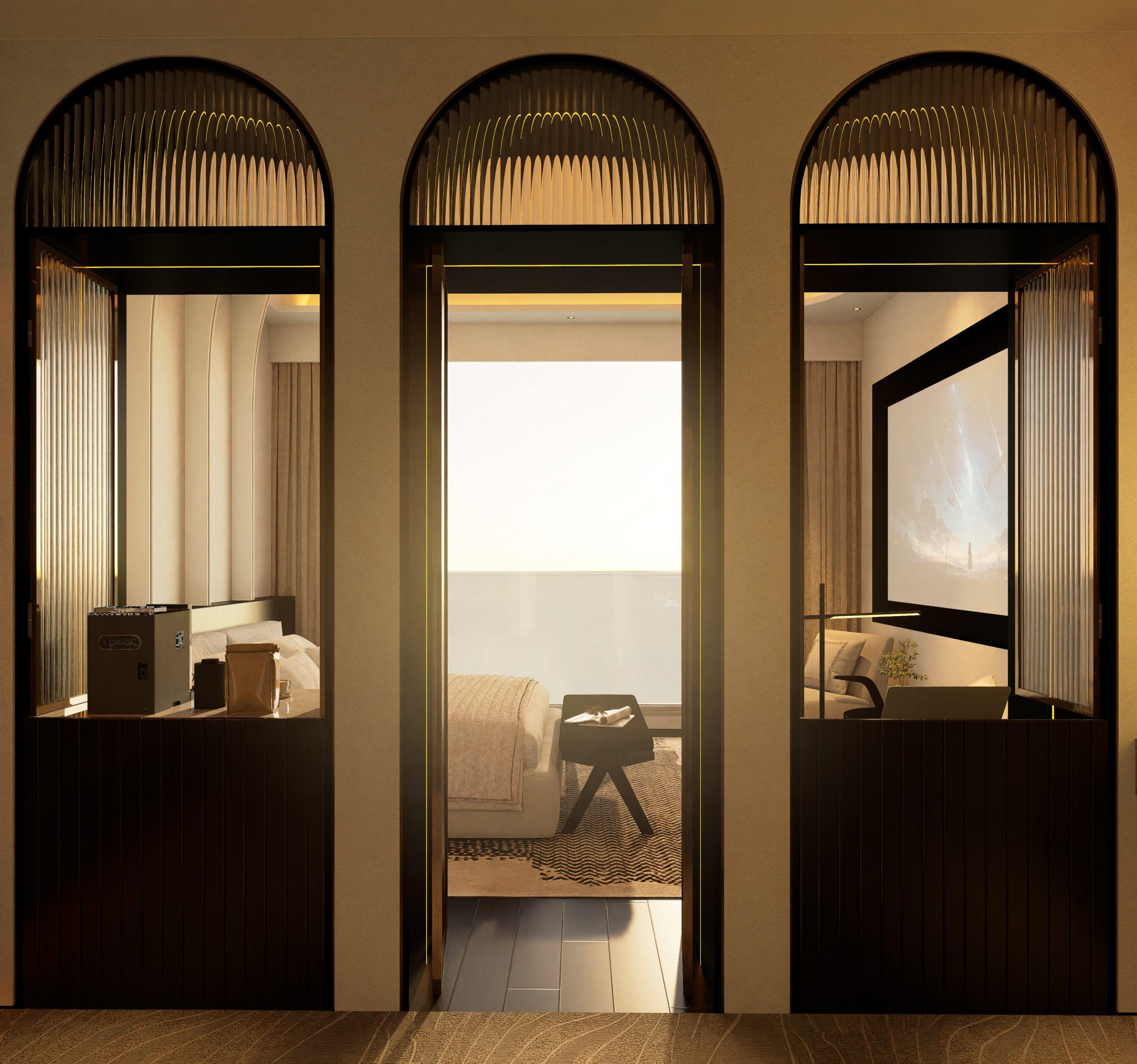
Pictured: Heritage Redefined: French Elegance Reinterpreted
The design allows for the potential use of programmable cement and ultra-low emission boards to support improved sustainability and material performance.
Smart Materials: Intelligence Built into the Surface
Smart materials will become central to next-generation environments, delivering comfort, efficiency, and adaptability without compromising aesthetics.
Adaptive Glass
A breakthrough in facade and interior applications, adaptive glass automatically adjusts its transparency based on ambient light. This reduces reliance on mechanical shading, improves energy efficiency, and offers a serene, glare-free interior experience.
Programmable Cement
Nanotechnology is enabling cement to be “programmed” at the particle level. By controlling particle shape and arrangement, this new cement achieves greater strength and flexibility – ideal for complex forms, lighter structures, and more resilient construction.
Nanomaterials
Carbon nanotube technology, when integrated into concrete, significantly enhances structural strength, reducing reliance on traditional steel reinforcement while streamlining construction timelines. Complementing this advancement, nano coatings form ultra-thin protective layers impart self-cleaning, anti-microbial, and waterproof properties – making them particularly suited to the humid conditions of Southeast Asia.
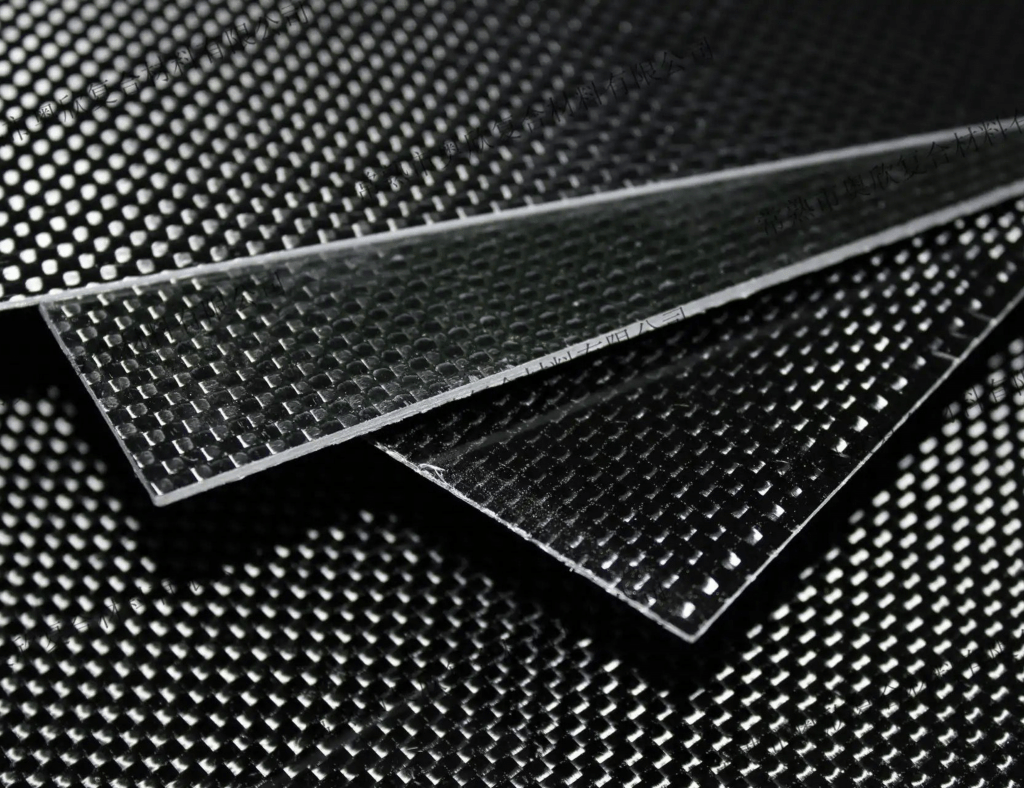
Pictured: Carbon Nanotube (Photo by baidu.com)
Innovative Building Materials: Lighter, Cleaner & Better Performing
Materials are evolving to meet the demands of high performance and lower environment impact.
Graphene Aerogel
One of the lightest substances on Earth, graphene aerogel delivers insulation performance two to four times better than traditional materials. Its ultra-porous structure makes it ideal for energy-efficient envelopes without increasing bulk.
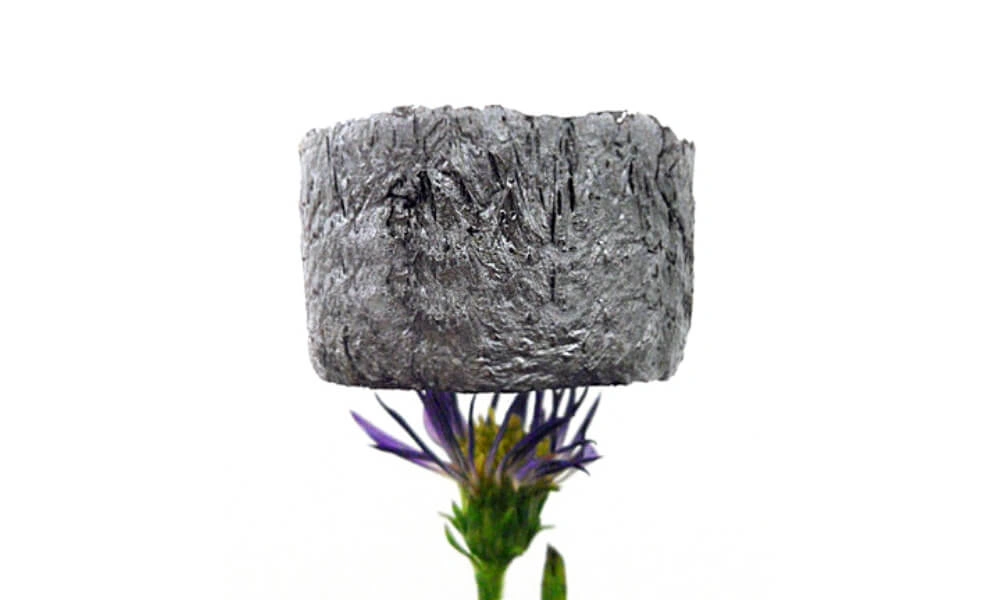
Pictured: Graphene Aerogel (Photo by Sculpteo.com)
Green Charcoal Materials
A biodegradable composite that mimics the function of concrete, green charcoal significantly reduces waste and carbon footprint. Perfect for designers seeking strength without the environmental cost of cement.
Decorative & Functional Materials: Beauty Meets Responsibility
The palette of 2026 emphasises materials that honour both aesthetic integrity and human wellbeing.
Ultra-Low Emission Boards (ENF, E0, E1)
Demand for healthier interiors continues to rise. ENF and low-formaldehyde boards offer a safer, more responsible alternative, making them the new standard for high-end cabinetry, walls, and built-ins.
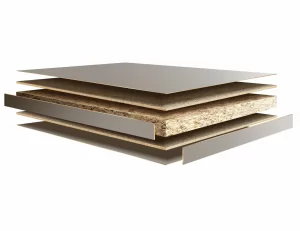
Pictured: ENF Boards (Photo by baidu.com)
Liquid Metal Finishes
A futuristic yet elegant medium, Liquid Metal can be sculpted and combined with resin to create fluid, reflective surfaces. Its versatility allows designers to craft statement pieces and textured finishes with sculptural depth.
Foam Aluminium
Lightweight but strong, foam aluminium offers a distinct cellular texture that blends industrial sophistication with modern luxury. Its acoustic and filtration qualities make it functional as well as decorative.
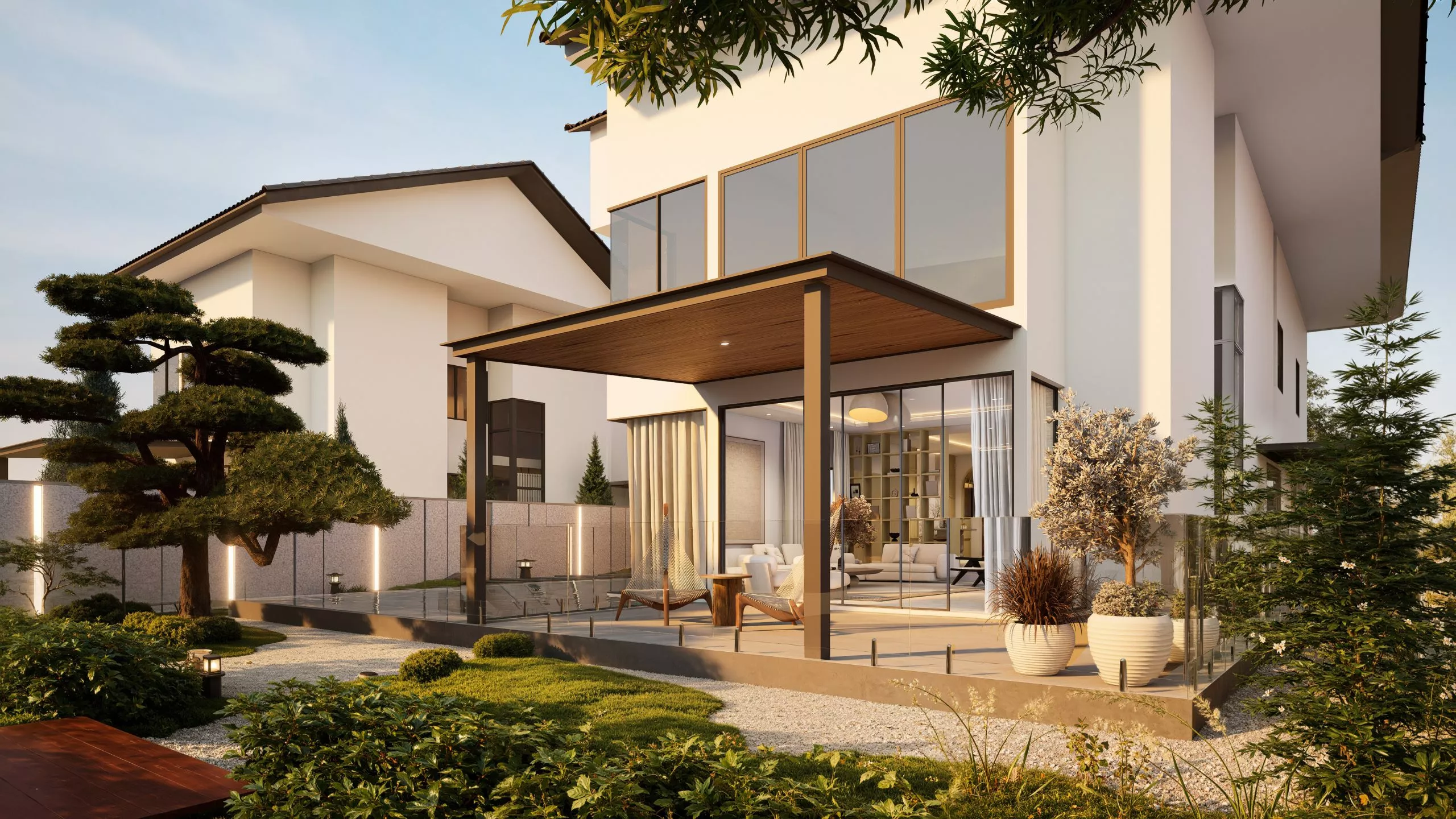
Pictured: Coastal Sanctuary: Shaped by Tranquility
The project demonstrates a design framework that could integrate adaptive glass, nanomaterials, and solar-embedded surfaces.
Looking Ahead: The New Language of Luxury
For homeowners seeking luxury interiors in Singapore that align with their values, sustainable living offers a way to express both style and substance. As more designers and makers embrace eco-conscious practices, refined design becomes not just about aesthetics but about meaning and mindfulness.
Luxury and responsibility are no longer distant ideals – they coexist beautifully, shaping homes that look exquisite, feel purposeful, and endure with grace.

About Eric Ong, Project Manager
Eric Ong, award-winning Project Manager at Francyn Atelier, brings over 20 years of experience in luxury hospitality, residential, and commercial design. With strong expertise in project leadership and design strategy, he shares his perspective on the emerging material trends shaping interior design in 2026.